Share research ideas
Post questions, tentative findings and study designs for others to comment on and build upon with you.
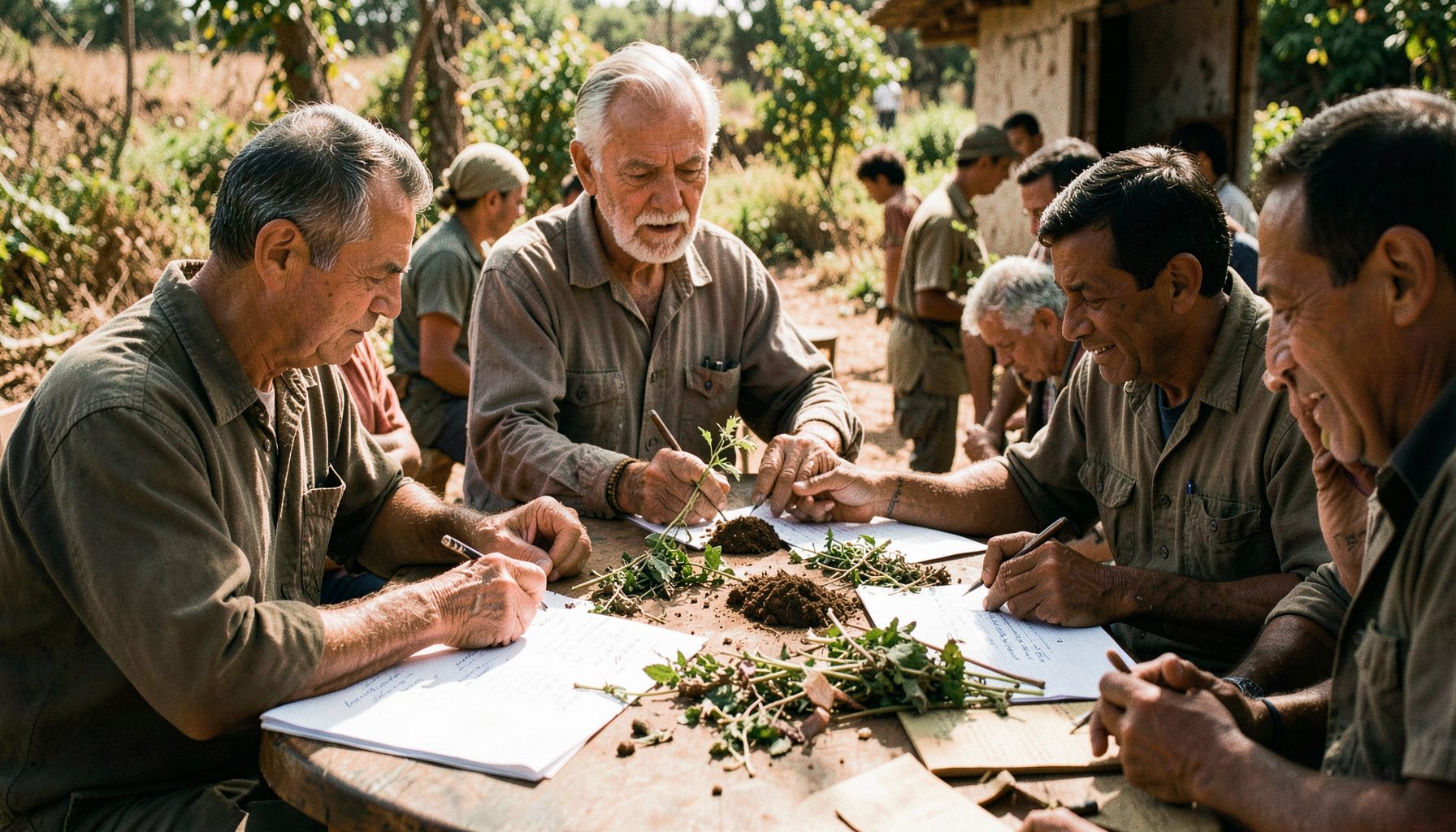
A forum to promote and share ideas and do collaborative work on participatory researches, evidence-based documentation, innovations and case studies on agroecology.
IPAM is a one-stop resource centre on agroecology. The research forum is where ideas are promoted and shared, and where collaborative work on participatory research takes shape.
Researchers, farmers, students and community members use this space to document field experience with evidence, to compare innovations already working on the ground, and to record case studies that others can build on. Documentation follows how people actually build knowledge — through on-farm practice as much as through written study.
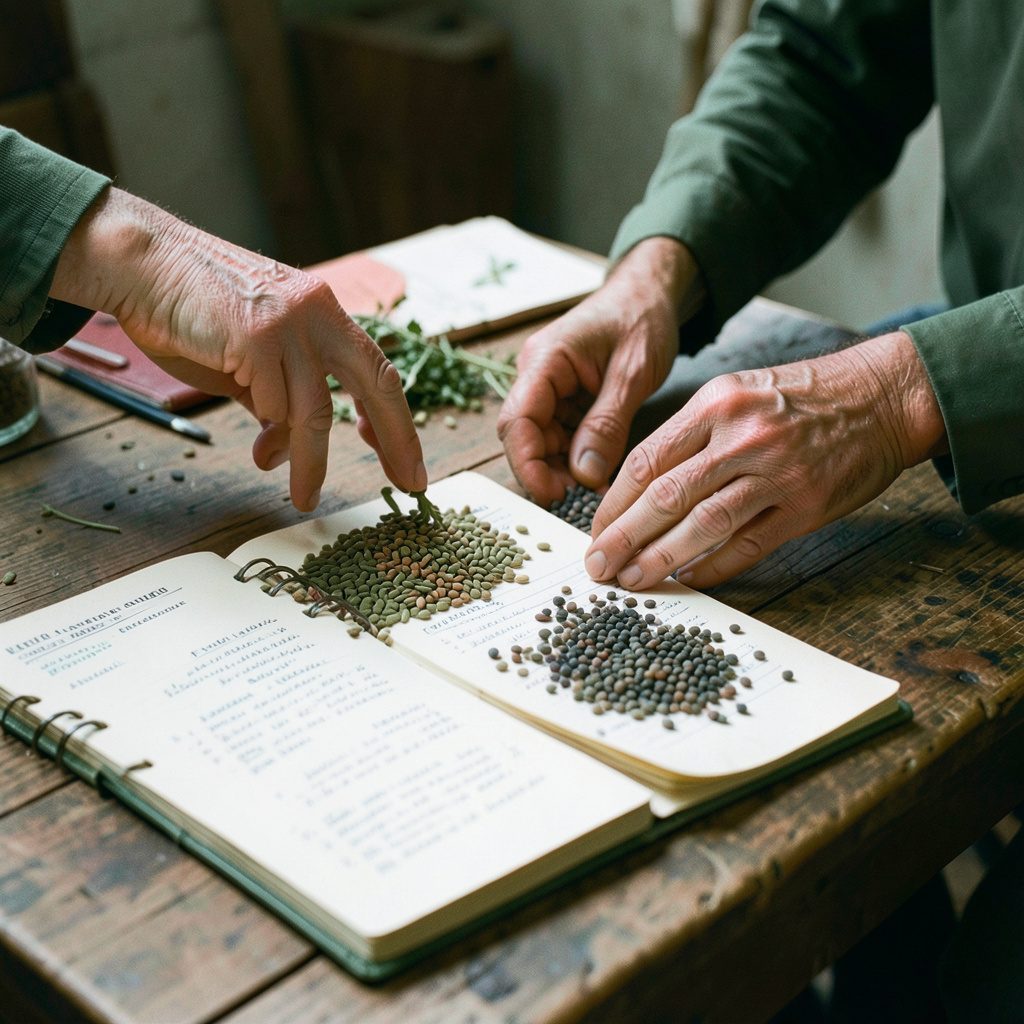
Post questions, tentative findings and study designs for others to comment on and build upon with you.
Work together to record agroecology practice in a form that others — farmers, students, researchers — can rely on and reuse.
Surface new approaches in ecological agriculture, from soil fertility and water management to self-reliance and food sovereignty.
Case studies recorded through the forum follow the people doing the work — in farmers' fields, agroecological zones, training centres and universities. Some documented activities include:
| Activity | Date | Location |
|---|---|---|
| 2016 Green SONA | August 9, 2016 | Silliman University, Dumaguete City, Philippines |
| Unmasking Highly Hazardous Pesticides in the Philippines | October 12, 2016 | Balai Kalinaw, UP Diliman, Quezon City |
| Chula Right Livelihood Summer School – II, on Self-Reliance, Organic Agriculture, Indigenous Wisdom, Food Sovereignty and the Menace of Climate Change | July 23 to August 8, 2016 | Bhutan |
| Training of women farmers in agroecology technical | May 23 to May 27, 2016 | Mbawane, Niayes region, Senegal |
| 6th Ecological Agriculture Course | September 22 to September 24, 2017 | Kolunji Ecological Farm, Odugampapatti, Tamil Nadu, India |
| Soil Fertility Management event | March 18 to March 19, 2017 | Penang, Malaysia |
Further materials sit alongside the forum in the wider resource library, and many activities above were hosted as learning events — onsite in agroecological zones and online for remote participation.
The research section of IPAM serves as a meeting point for people who want to document agroecology rigorously and openly. Rather than presenting finished conclusions, it hosts early-stage thinking: questions raised in the field, methods still being tested, and partial observations that benefit from scrutiny. Researchers, farmers, students and community members all appear here as contributors with equal footing, and each entry is treated as an invitation to comment, refine or build upon. The emphasis is on shared understanding rather than individual credit.
Participatory research sits at the centre of this work, with knowledge treated as something co-produced between those who study farming systems and those who manage them day to day. Documentation follows evidence-based approaches, meaning that claims are traced back to documented field experience, transparently recorded conditions and clearly stated limitations. Innovations and case studies from different regions and contexts can be compared side by side, revealing where a technique travels well and where it needs adaptation to local soils, climates, resources and social structures.
Ideas circulate through this forum in many forms: written posts, discussion threads, event write-ups and video documentation of sessions held online and at field locations. Short recordings, modules and curriculum materials extend learning beyond any single gathering, and curated libraries keep earlier contributions accessible over time. Anyone with a relevant story or a carefully observed result can contribute, and registered members and guests alike are welcome to read, respond and share what they know with a wider agroecological community.
The resource centre aspect of IPAM broadens this beyond a single discussion space. Supporting material, documentation, techniques, practical guidance and the accumulated experience of practitioners are gathered in one place, so that a visitor looking for grounding on a specific approach can find context quickly. Networking and mobilisation features help connect isolated initiatives with a broader movement, while campaigns, petitions and alerts offer ways to translate evidence into action beyond the boundaries of research itself.
The wider platform builds on this foundation through learning and training activity: online courses, webinars, short sessions, hands-on field experience and structured curricula designed for farmers, community organisations, researchers and students. Onsite visits and life experience shared between participants add texture that formal study rarely captures. Together, these elements support a continuing journey toward sustainable futures, where knowledge moves freely between fields, universities, community centres and campaigns, strengthening agroecological practice through shared documentation and collective reflection.
Whether you are a farmer with a field trial, a student looking for a case to study, or a researcher with findings to document, the forum is where the collaboration starts.