Onsite Learning Events
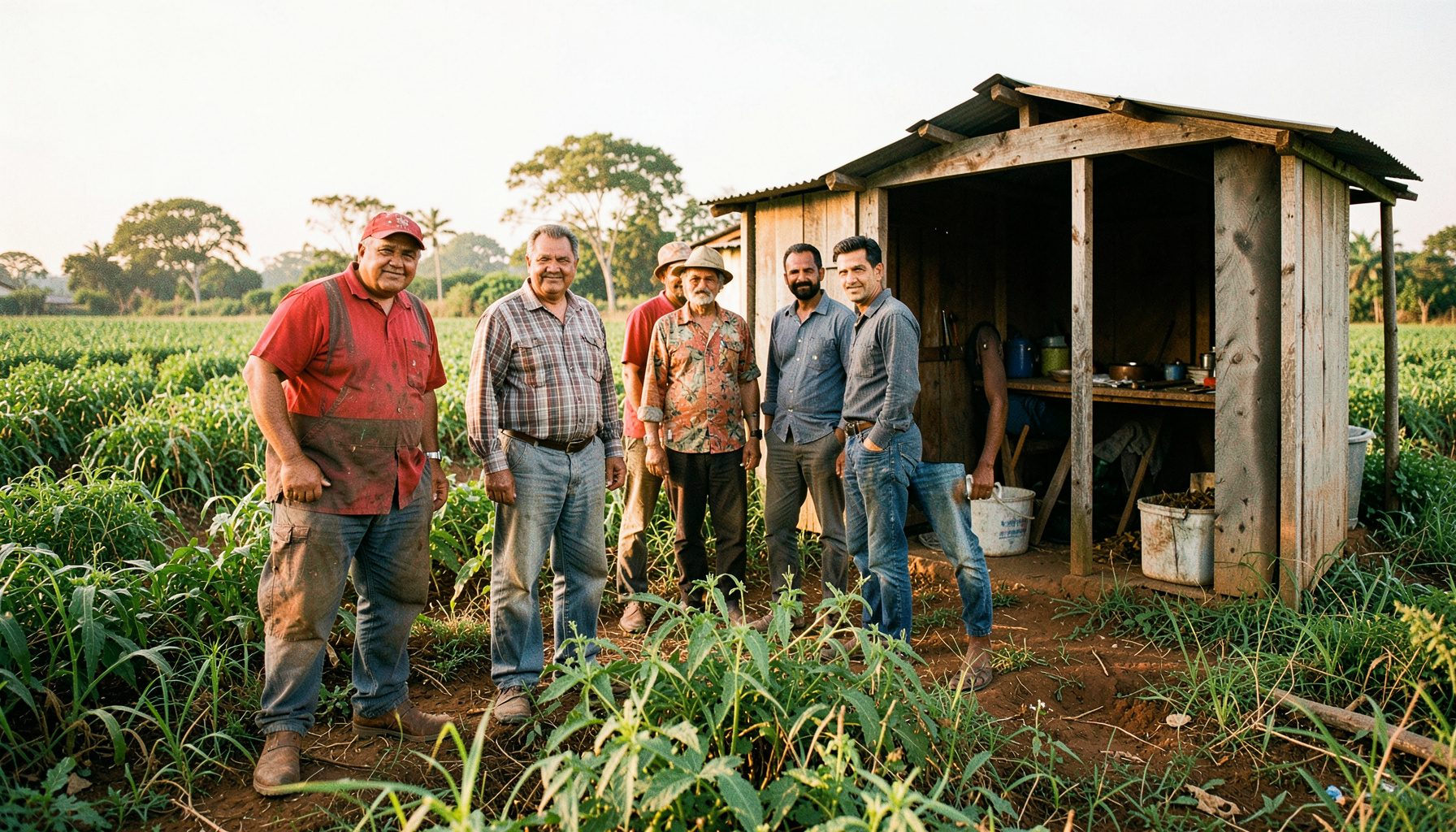
Hands-on sessions held in agroecological zones, in farmers’ fields, at training centres and on university grounds — learning rooted in the places where agroecological practice happens.
On-Farm Practice
Sessions held directly in farmers’ fields within different agroecological zones.
Training Centres
Hands-on instruction delivered at centres that host groups of practitioners.
Universities
Learning hosted on university grounds alongside research and teaching staff.
Field Learning Sites
The Field Learning Sites approach connects all of these venues in one pathway.
Learning That Respects How People Build Knowledge
IPAM learning platforms combine on-farm practice with online study, so participants learn through doing, watching and reflecting rather than from slides alone.
Onsite events follow the same principle. Participants work alongside farmers, trainers and researchers, and sessions feed documented case studies and innovations back into the wider agroecology resource centre.
Selected Onsite Events
Dates and locations below are taken from onsite learning events documented on IPAM.
| Event | Dates | Location |
|---|---|---|
| 6th Ecological Agriculture Course | 22–24 September 2017 | Kolunji Ecological Farm, Odugampapatti, Tamil Nadu, India |
| Soil Fertility Management | 18–19 March 2017 | Penang, Malaysia |
| Training of women farmers in agroecological techniques | 23–27 May 2016 | Mbawane, Niayes region, Senegal |
| Green SONA | 9 August 2016 | Silliman University, Dumaguete City, Philippines |
| Unmasking Highly Hazardous Pesticides in the Philippines | 12 October 2016 | Balai Kalinaw, UP Diliman, Quezon City, Philippines |
| Chula Right Livelihood Summer School – II: Self-Reliance, Organic Agriculture, Indigenous Wisdom, Food Sovereignty and the Menace of Climate Change | 23 July – 8 August 2016 | Bhutan |
Further events can be found through the site search and the IPAM home page.
Field Learning Sites place agroecological training where it matters most: in farmers' fields, at training centres, on university grounds and across different agroecological zones. Rather than confining learning to lecture halls, this approach brings hands-on sessions into the landscapes and communities where practice is already unfolding. Participants work alongside growers, technicians and researchers, building practical understanding of techniques, soil health, cropping systems and local knowledge as it is used day to day.
On-farm practice sessions are the heart of the field learning model, taking place directly in farmers' fields within distinct agroecological zones. Because every zone carries its own climate, soils, pests and traditions, the same technique rarely transfers unchanged; learning on site allows participants to observe how practitioners adapt methods to their conditions. These sessions favour observation, experimentation and reflection, with the field itself acting as the curriculum and the farmer as the guide.
Training centres offer a complementary setting for structured, hands-on instruction, hosting groups of practitioners who arrive with varying levels of experience. Here, sessions tend to combine short theoretical inputs with longer practical demonstrations, module-based workshops and peer exchange. The value of a centre lies in its ability to gather many participants, shared equipment and demonstrations in one place, creating repeated opportunities to test ideas, compare notes and translate knowledge into methods that can be taken back to individual farms and communities.
Universities contribute research, teaching staff and experimental grounds to the learning network, linking field experience with evidence-based studies and documentation. Working on university grounds alongside researchers means participants encounter the analytical framework behind agroecological practice, questioning assumptions and grounding decisions in careful observation. This connection between academic research and real-world farming strengthens the wider movement, producing documentation, short videos and teaching material that can circulate well beyond the original event.
Across all these venues, the Field Learning Sites approach weaves on-farm sessions, training centres and university activities into one connected pathway of participatory learning. The emphasis is on collaborative, experience-based engagement: participants are not passive recipients but contributors, sharing stories and ground-tested practices while building networks for continued work. For a sustainable agroecological future, such sustained, place-rooted learning helps communities stay informed, mobilised and confident in the methods they carry home.
Practice, Reflection, Documentation
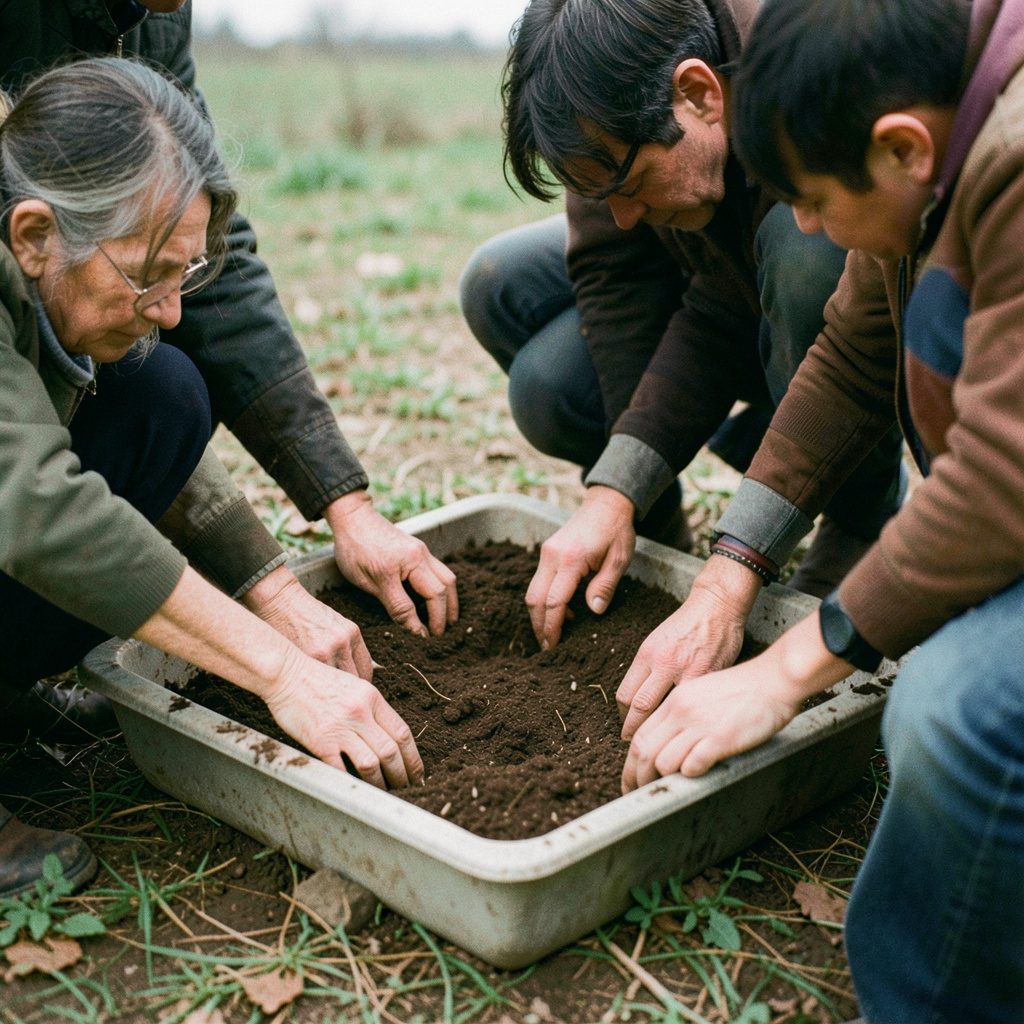
- Field-based methods suited to the agroecological zone being visited.
- Direct exchange with farmers, trainers and researchers.
- Work on soil fertility, self-reliance and low-input methods.
- Case studies and innovations recorded for later reference.
Continue With Online Events
Online learning events, webinars and virtual sessions cover topics such as the State of the Nature Assessment and replacing chemicals with biology, for those who cannot join a field session.