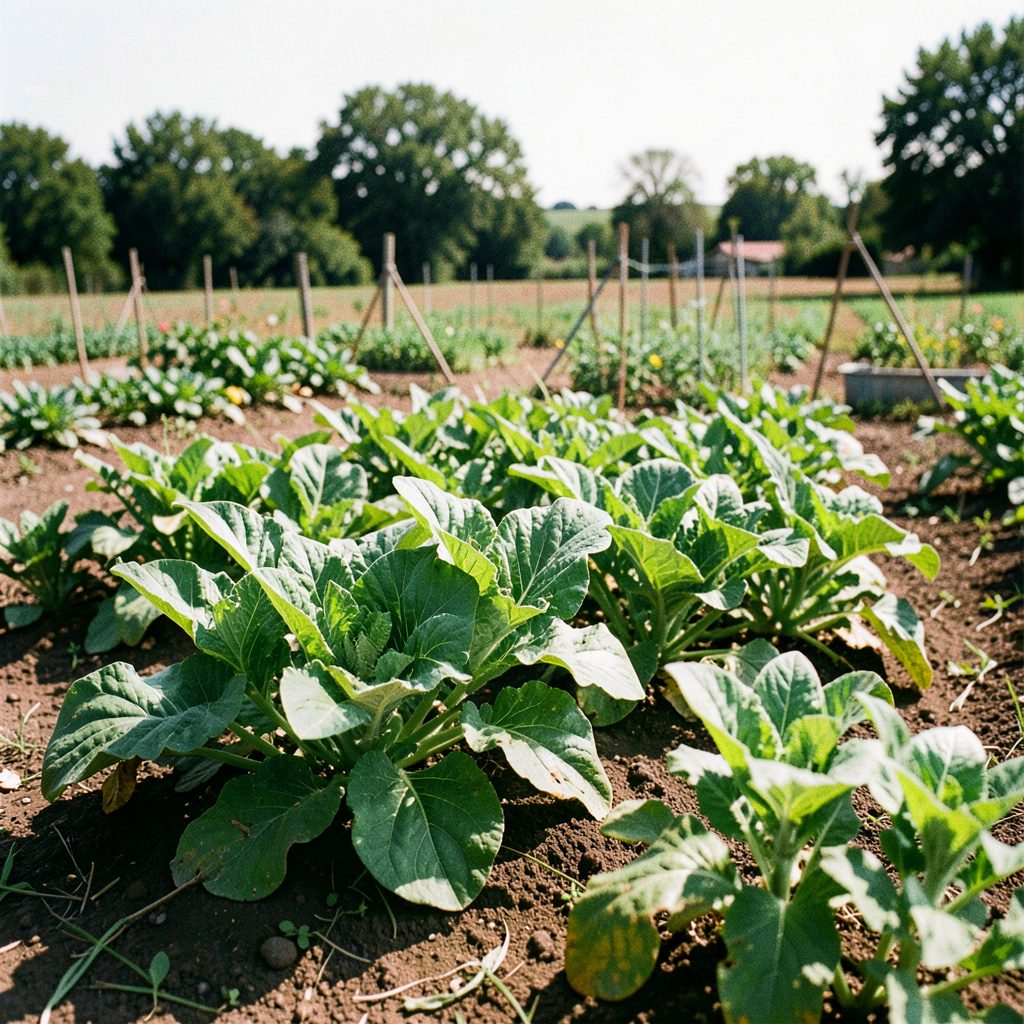
Community posts
Practitioners share what works in their own fields and communities.

IPAM brings on-farm practice and online study together, hosting resources, participatory research, structured courses and community action for farmers, researchers, students and community members.
A searchable library of documents, research papers and case studies on agroecology and sustainable farming.
A forum to promote and share ideas and do collaborative work on participatory research and innovations.
Structured courses, onsite and online events, learning modules, webinars and short videos.
Community posts, alerts, petitions and campaigns connecting practitioners across the network.
IPAM is a platform for participatory research, evidence-based documentation, innovations and case studies on agroecology.
Learning happens both on the farm and online. The Field Learning Site offers hands-on approaches in agroecological zones, farmers’ fields, training centres and universities, while online platforms support people who build their knowledge at their own pace.
Resources include structured courses, modules, webinars and short videos, and community features include posts, alerts, petitions and campaigns.

Short-term sessions and long-term curriculum in agroecology, from soil fertility management to replacing chemicals with biology.
Online learning events cover topics such as the State of the Nature Assessment (SONA) and the work of unmasking highly hazardous pesticides, with talks on replacing chemicals with biology.
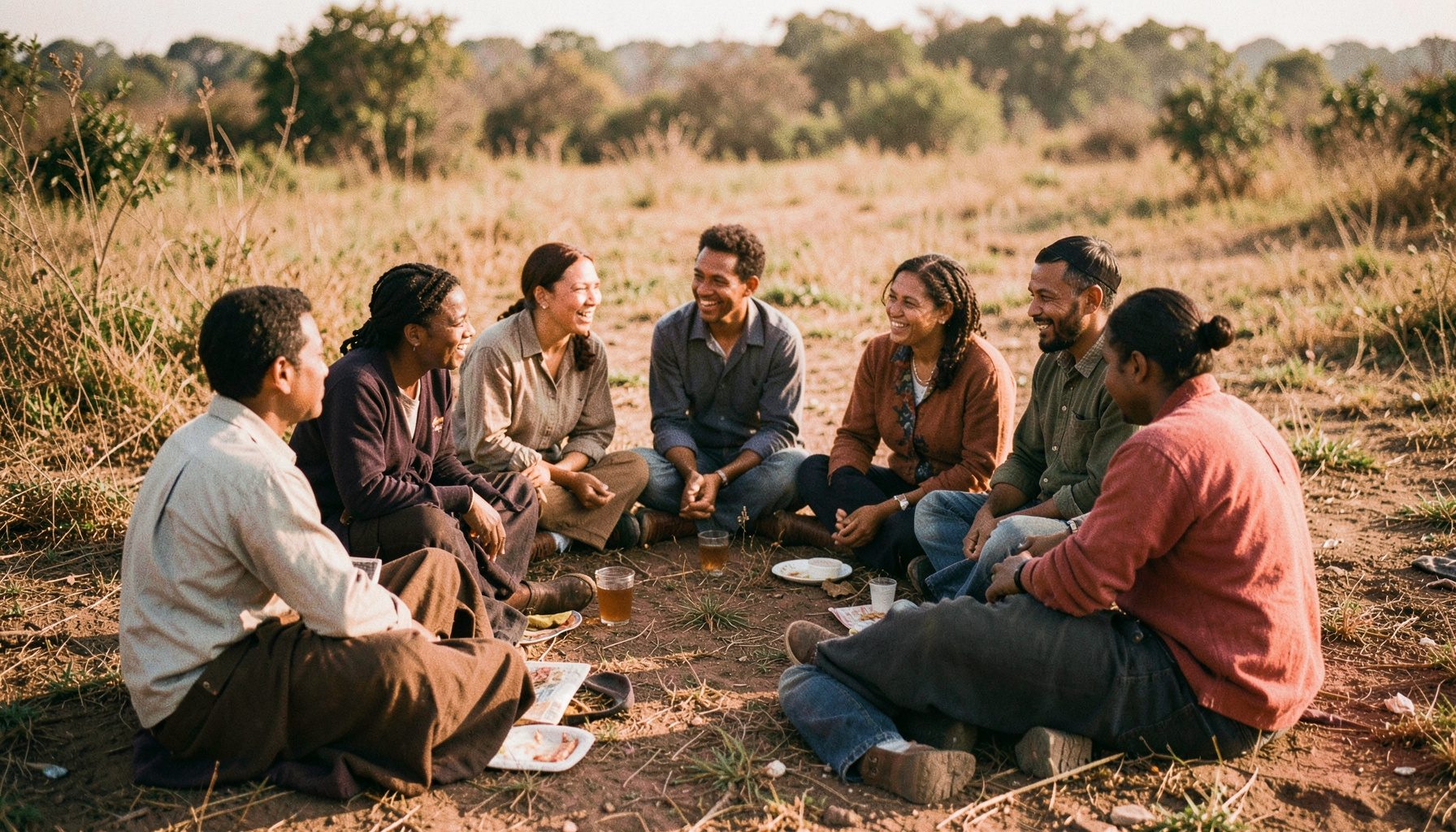
IPAM brings traditional wisdom together with modern sustainable practices, encouraging self-reliance and community learning on agroecology.
From Why IPAM
The approach promotes cost-effective, eco-friendly alternatives and addresses climate change and food sovereignty through shared evidence and documentation.

Case studies, successes and practical experience from agroecology practitioners around the world.
Practitioners share what works in their own fields and communities.
Alerts, petitions and campaigns that turn shared concerns into action.
IPAM is a global community platform dedicated to agroecology, bringing together farmers, researchers, students, practitioners and advocates who work toward more sustainable food and farming systems. Rather than functioning as a conventional publication, it is designed as a shared space where knowledge is exchanged, tested and carried forward. The platform hosts learning resources, community posts, training materials and collaborative initiatives that connect field experience with academic research, so that ideas grounded in practice can inform policy and vice versa.
The heart of IPAM lies in its community posts, where practitioners from around the world describe what works in their own fields and communities. These short, grounded accounts cover techniques, tools and approaches adapted to very different local conditions, from drylands and smallholder plots to peri-urban market gardens. Reading these contributions offers a window into applied agroecology as it is actually practised, without the distance that separates conference presentations from daily reality on the ground.
Learning pathways on the platform are structured around modular content: videos, short sessions, field documentation and hands-on curricula that build skills progressively. Participants can move through resources at their own pace, register for online courses or onsite training, and join webinars that connect instructors with learners across time zones. The emphasis is on participatory and evidence-based methods, so that each module ends not merely with information but with practices a participant can return to and try in the field.
A resource centre and library give registered members persistent access to an expanding collection of studies, documentation and curated material. Content is gathered from universities, research centres, farmer organisations and movement networks, then organised so that it can be searched, shared and discussed rather than simply downloaded. Journals, forum conversations and documentation projects complement the library, creating an archive that grows through the contributions of the people who use it.
IPAM also serves as a meeting point for campaigns, petitions and mobilisation efforts, linking storytelling and advocacy with the practical work of agroecology. Members can promote innovations, share inspiring experiences, propose ideas and collaborate on joint actions that reach beyond individual farms. The value of this dimension lies in the connection between many separate local initiatives: small campaigns gain visibility, and proven practices circulate more widely, strengthening the wider movement for sustainable futures.
Learning on IPAM is designed around the idea of a continuing journey rather than a one-off event. Course participants are encouraged to build on what they have studied, contribute their own case studies, and stay engaged with the network long after a module ends. Group discussions and peer exchange provide spaces for questions, reflection and collective problem-solving, while short video sessions make it possible to learn from a farmer or researcher speaking in their own language and context.
Visual identity follows a bold, poster-like aesthetic: strong red used as an accent for icons, buttons and section backgrounds, set against true black and white fields, with generous spacing and large photographic blocks. Headlines appear in a rounded, semi-bold geometric sans-serif, tightly tracked and confidently scaled, while body copy sits lighter in weight for readability. Cards and buttons stay sharp and rectangular with minimal corner radius, contrasted by soft circular icon badges, producing a look that is energetic, direct and unmistakably contemporary.
The platform supports both registered members and visiting guests, with an account making it easier to follow courses, save resources and participate in discussions. Alerts and notifications keep people informed about new modules, events and calls for participation, while curated collections help surface relevant material without endless searching. The overall intention is to lower the friction between discovering something useful and acting on it, whether that means changing a practice on a farm or joining a coordinated campaign.
Ultimately, IPAM positions itself as a hub where learning, action and community converge around agroecological transition. By connecting practical knowledge, structured training, documentation and advocacy in one place, it aims to shorten the distance between an idea tested in one field and a technique adopted across many. The invitation is open: explore the resources, read the case studies, join the conversation, and contribute your own experience so that collective knowledge continues to build toward more resilient farming systems.
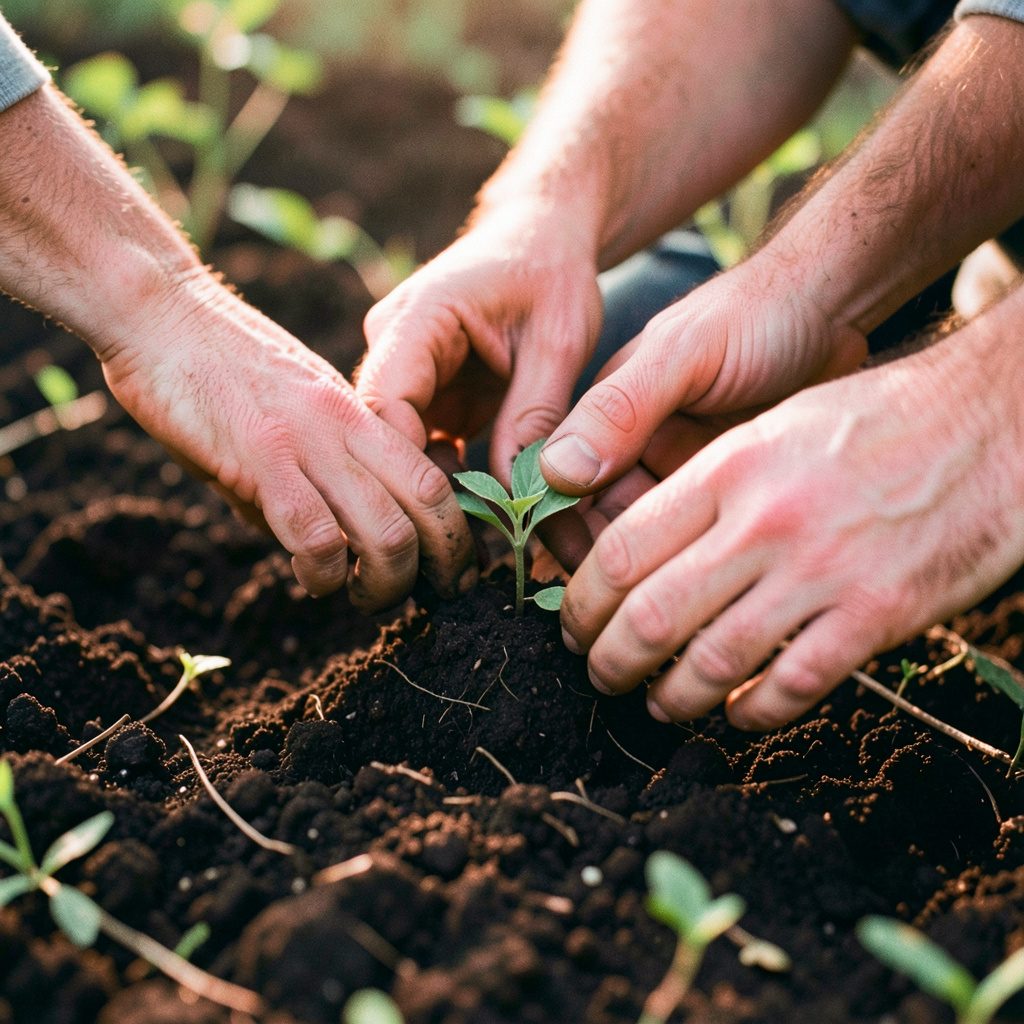
Life experience videos where farmers teach one another directly.
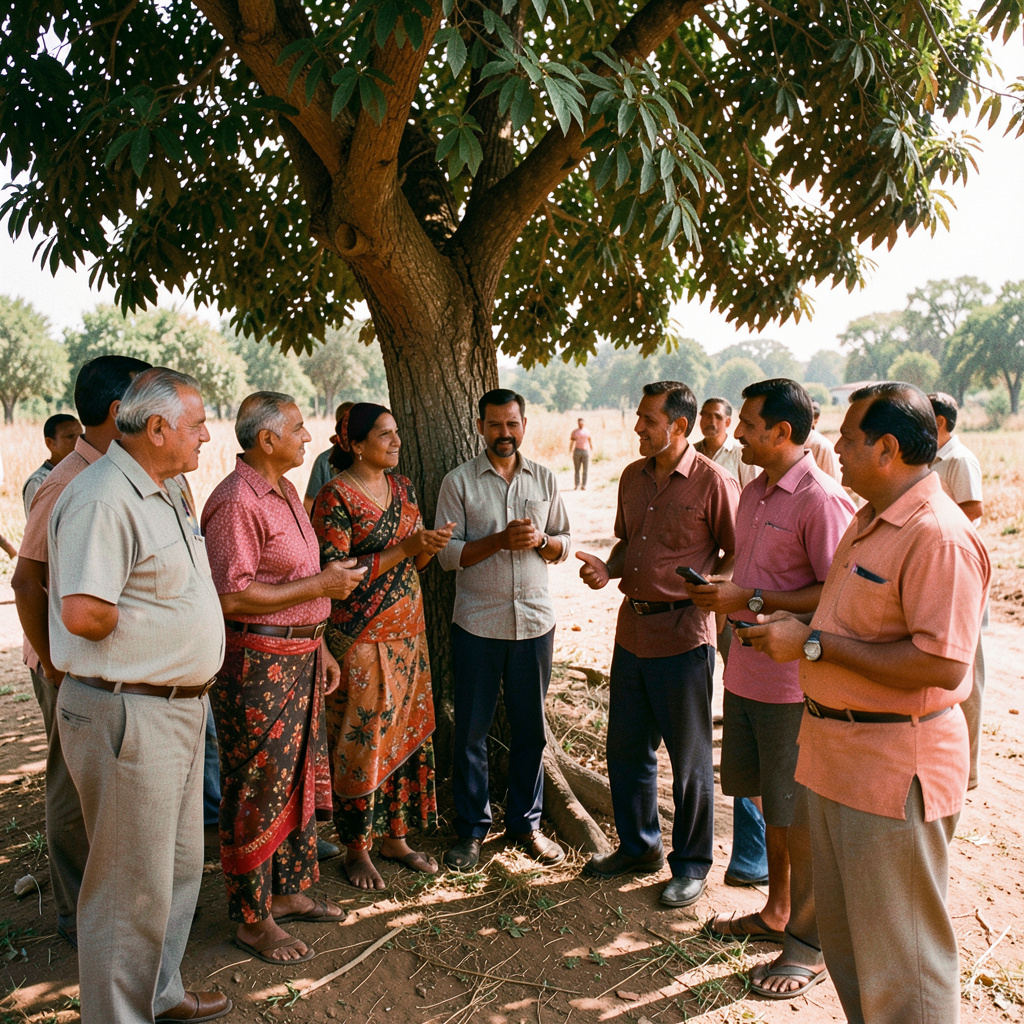
Hands-on approaches in agroecological zones, training centres and universities.
A selection of sessions documented by IPAM, with dates and venues as recorded.
| Event | Date | Venue |
|---|---|---|
| 2016 ‘Green SONA’ (online learning event) | August 9, 2016 | Silliman University, Dumaguete City, Philippines |
| Unmasking Highly Hazardous Pesticides in the Philippines | October 12, 2016 | Balai Kalinaw, UP Diliman, Quezon City |
| Chula Right Livelihood Summer School – II: Self-Reliance, Organic Agriculture, Indigenous Wisdom, Food Sovereignty and the Menace of Climate Change | July 23 – August 8, 2016 | Bhutan |
| Training of women farmers in the Niayes region on agroecology techniques | May 23 – May 27, 2016 | Mbawane, Senegal |
| 6th Ecological Agriculture Course | September 22 – September 24, 2017 | Kolunji Ecological Farm, Odugampapatti, Tamil Nadu, India |
| Soil Fertility Management | March 18 – March 19, 2017 | Penang, Malaysia |
Receive updates on resources, courses, learning events and community campaigns.