Community Building Case Studies
Browse documented community building efforts — the organising, the field activities and the results that followed.
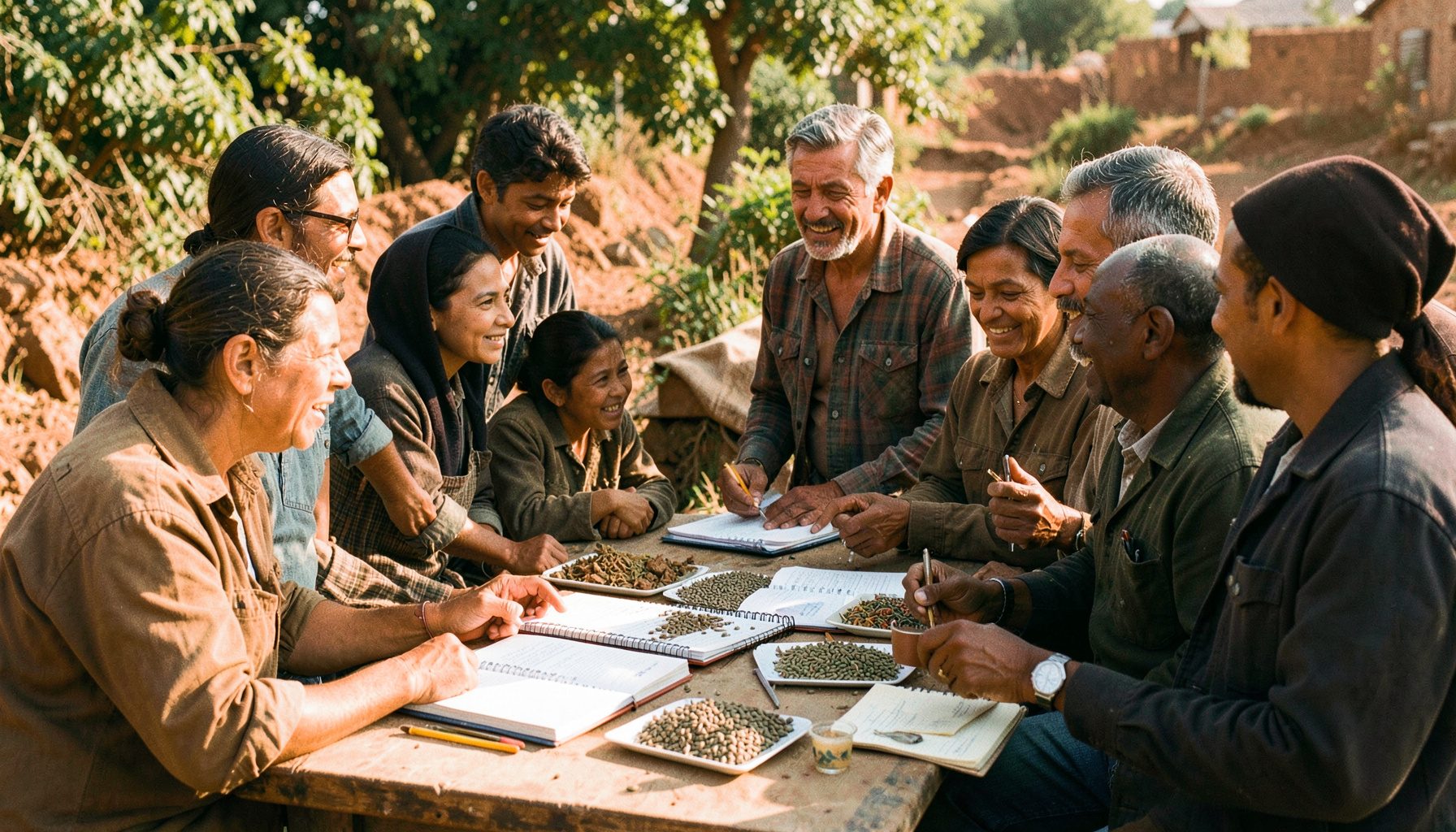
Community posts, case studies and shared successes from the agroecology network — where practitioners, researchers and students meet, compare experience and carry work forward together.
Documented examples of community building efforts in agroecology.
Shared achievements and outcomes reported by network participants.
Practical knowledge exchanged between fellow practitioners.
Opportunities to connect with others working in agroecology.
IPAM’s community section gathers what participants learn in the field. Posts record community building case studies, successes and shared experiences, so that a lesson documented in one agroecological zone can inform work in another.
Because agroecology is built on the way people learn together, this material sits alongside the rest of the platform: evidence-based documentation and innovations from the research forum, and the hands-on learning carried out in farmers’ fields, training centres and universities through the Field Learning Sites.
Reading a community post is also a way of finding peers. Farmers, researchers, students and community members can look for documented work that matches their own conditions, then reach out to the people who wrote it.
IPAM’s community area brings together practitioners, researchers, students, and educators who are advancing agroecology through shared learning and collaborative action. Here, documented case studies, reported successes, and practical experiences offer grounded insight into how communities are building knowledge, shaping ideas, and carrying work forward. The space encourages visitors to compare approaches, discover inspiring stories from the field, and connect with people exploring sustainable futures for farms, food systems, and rural communities.
Exploring IPAM’s community resources can support both personal learning and wider movement building. Stories, evidence-based documentation, and exchanged experience help participants understand what has worked in different settings, while networking and connection points create opportunities for collaboration. Through forums, shared posts, and collective discussion, the community platform allows agroecological ideas to spread, mobilise others, and contribute to more resilient, sustainable futures.
Browse documented community building efforts — the organising, the field activities and the results that followed.
See what worked for others, and the practical experience recorded alongside each success story.
Find peers across the agroecology network and open a conversation with people working on similar ground.
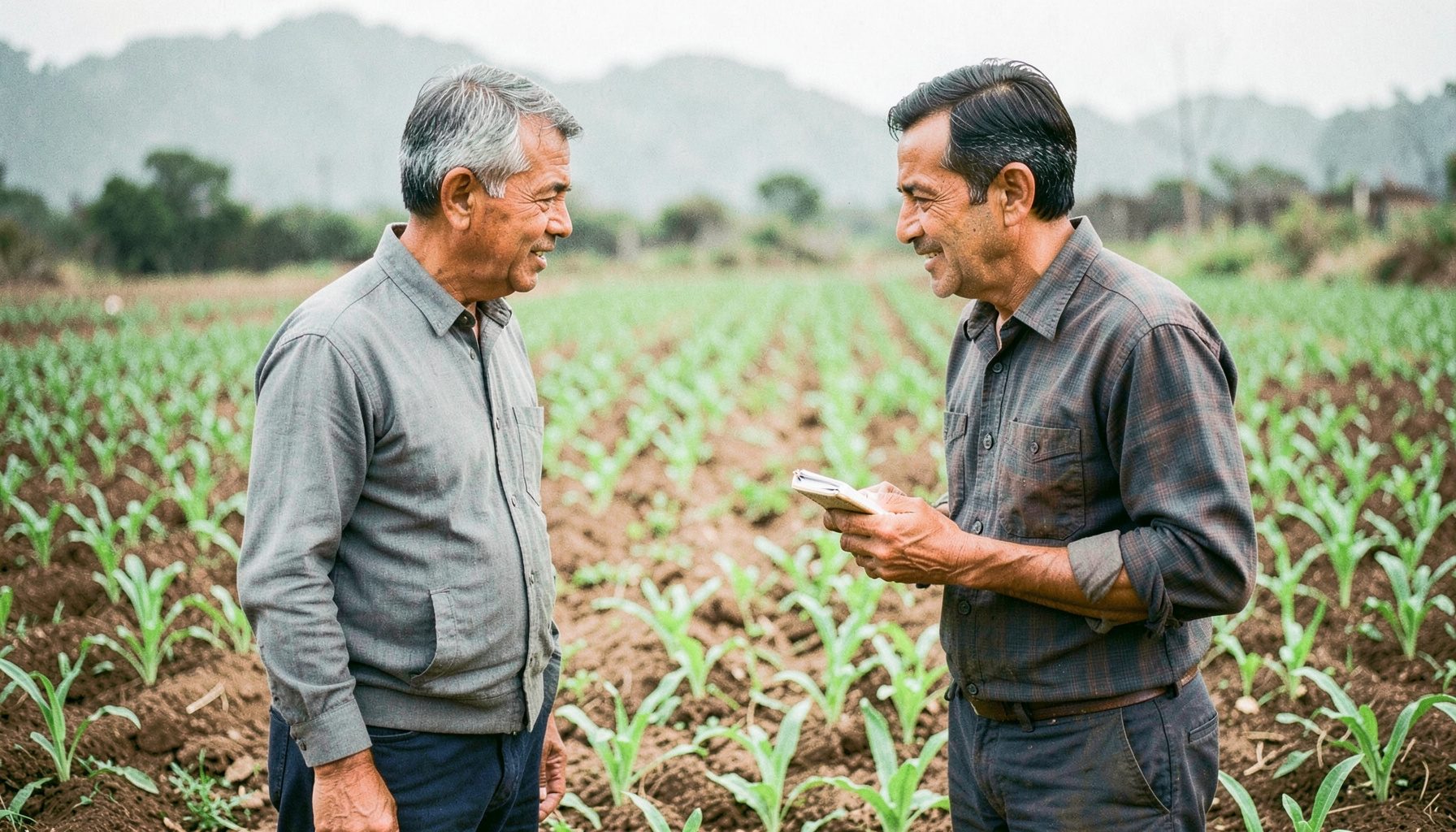
The Field Learning Site places agroecological practice in real settings: agroecological zones, farmers’ fields, training centres and universities. Hands-on methods are learned where they will be used, and what is learned can then be written up and shared through the community posts.
Whether you arrive with a question from the field or with an experiment already underway, the platform is arranged so you can read, learn and then contribute what you discover.
Explore the community building case studies, successes and shared experiences published by the agroecology network, and connect with other practitioners working in the same fields.