Self-Reliance
Stronger local capacity, fewer dependencies, and farming systems that communities can sustain on their own terms.
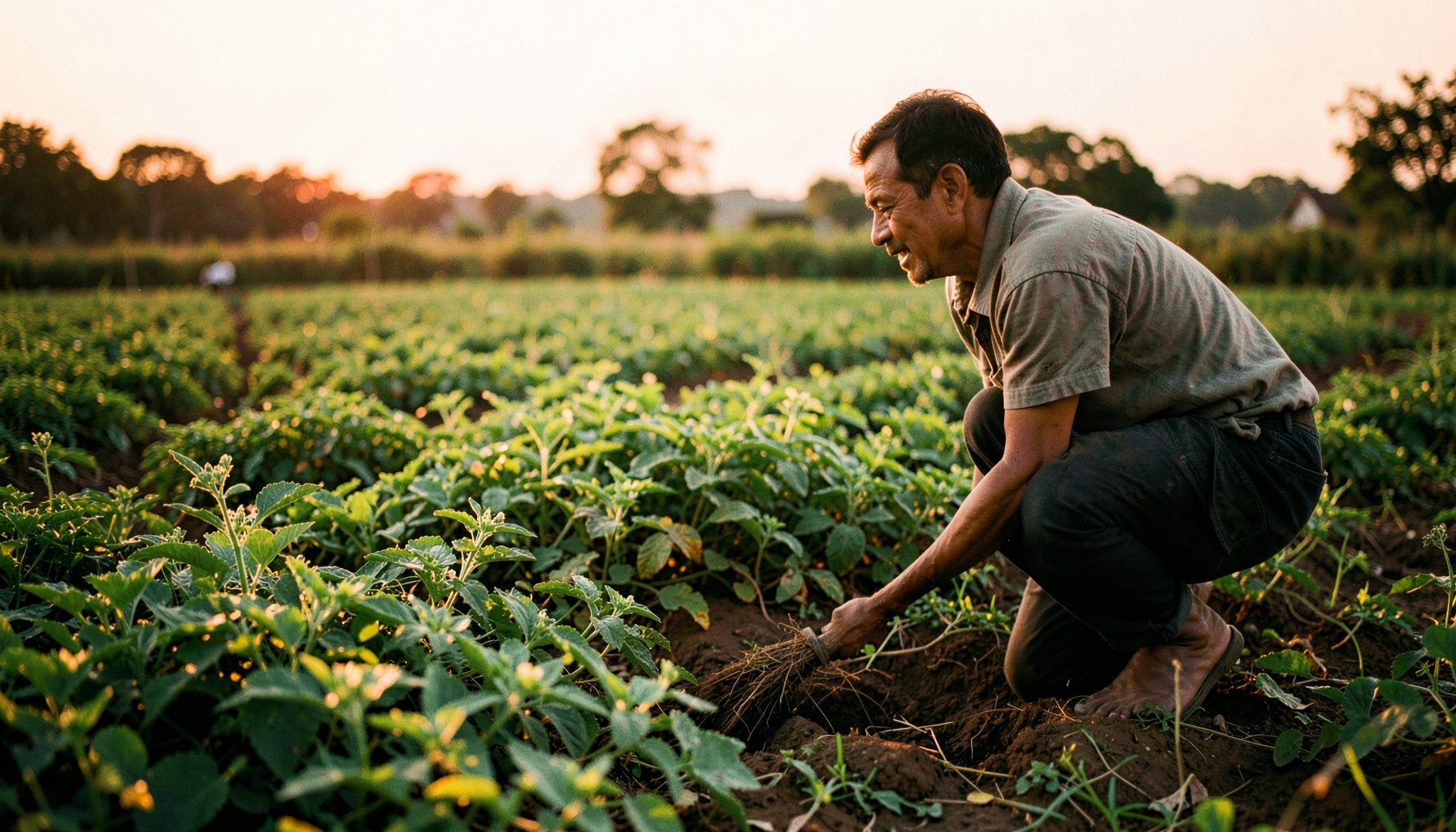
Traditional wisdom and modern sustainable practices, held together in one place for the people who grow, study and research food systems.
A single resource centre on agroecology, gathering knowledge, research and learning.
A forum for participatory research, evidence-based documentation, innovations and case studies.
IPAM gathers traditional wisdom and modern sustainable practices into one shared place, serving the people who grow, study and research food systems. Rather than separating academic research from lived experience, the platform treats both as essential knowledge, documenting field-tested techniques, community-led innovations and evidence-based studies side by side. This dual focus reflects a broader understanding: agroecology is not only a scientific discipline but also a living practice, shaped by farmers, researchers and educators working across fields, universities and community networks.
A one-stop resource centre on agroecology sits at the heart of the platform, collecting modules, short sessions, curated documentation, videos and learning materials in a structured library that can be searched, referenced and reused. Content is organised so that users can move from foundational concepts to applied knowledge, from theory to hands-on method. The emphasis is on accessible, well-documented and shareable material that supports learning journeys, whether someone is beginning to explore agroecological principles or deepening an existing specialism.
Two complementary routes to learning run through the work: on-farm practice, where knowledge is built by doing, and online study, where ideas are examined and discussed at a distance. Both are respected as valid ways of knowing, and both are supported by structured modules, webinars, short sessions and curriculum materials. Workshops, field visits and collaborative research all help translate awareness into capability, ensuring that what is learned in a classroom or a video translates into practical changes on the ground.
Community action adds a collective dimension, with posts, alerts, petitions and campaigns connecting practitioners who might otherwise work in isolation. Forums, storytelling and shared evidence create space for inspiring examples from real farm settings to circulate widely, while networking and mobilisation help good practices travel further. Together, these elements position the platform as a collaborative and participatory hub, where people surface ideas, share experiences and build a common ground for sustainable food futures.
On-farm practice and online study, respecting how people actually build knowledge.
Posts, alerts, petitions and campaigns that connect practitioners with each other.
IPAM promotes practices that are affordable to maintain and gentle on the land. The work sits where farmer experience meets documented evidence, so that useful methods can travel from one farm to another instead of being reinvented in isolation.
Knowledge is respected as something people build themselves. On-farm practice, field learning sites and online study are treated as equally valid routes in, because a farmer's field and a lecture hall are different kinds of classroom with different things to teach.
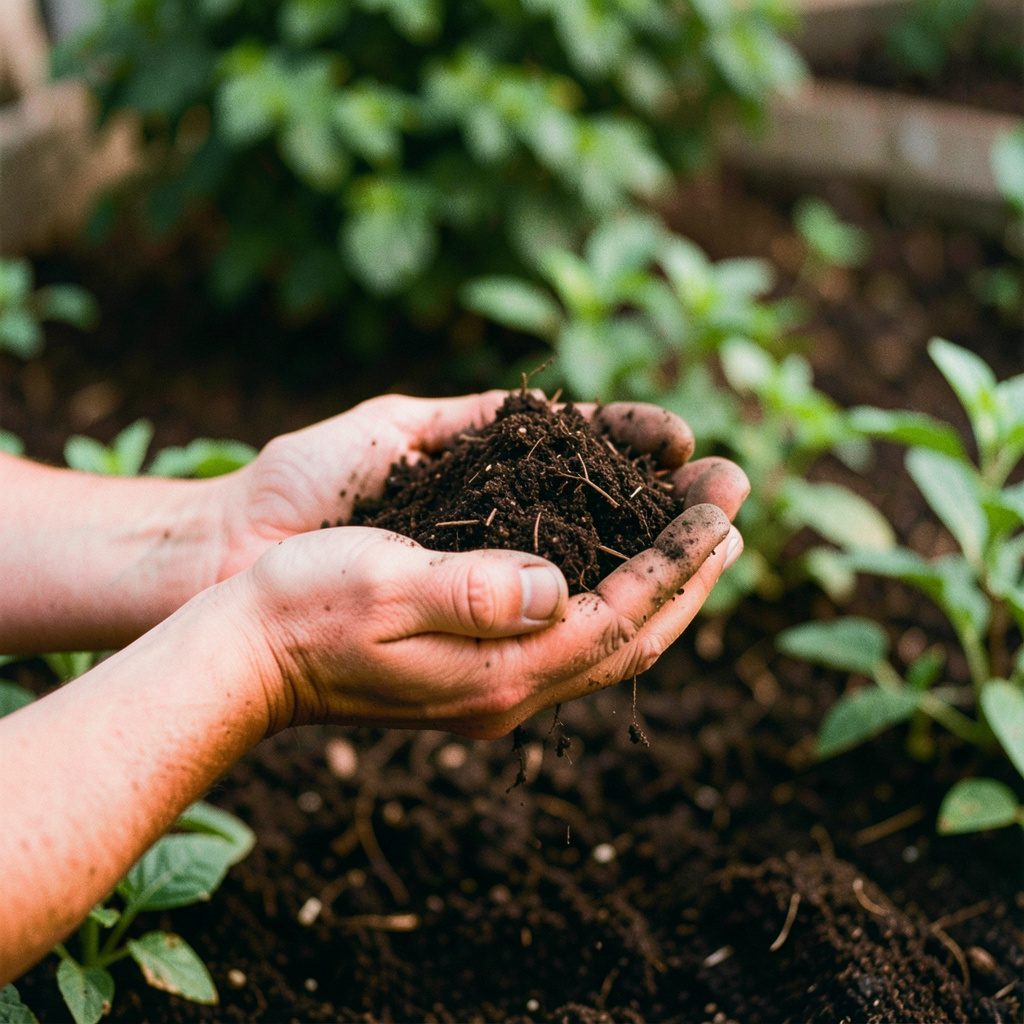
Stronger local capacity, fewer dependencies, and farming systems that communities can sustain on their own terms.
Traditional knowledge is carried forward as living practice, documented with the same care as modern research findings.
Attention to climate change and to the right of peoples to decide on the food they produce and eat.
Field Learning Sites bring hands-on agroecological practice into agroecological zones, farmers' fields, training centres and universities, so lessons are learned in the places they will be used.
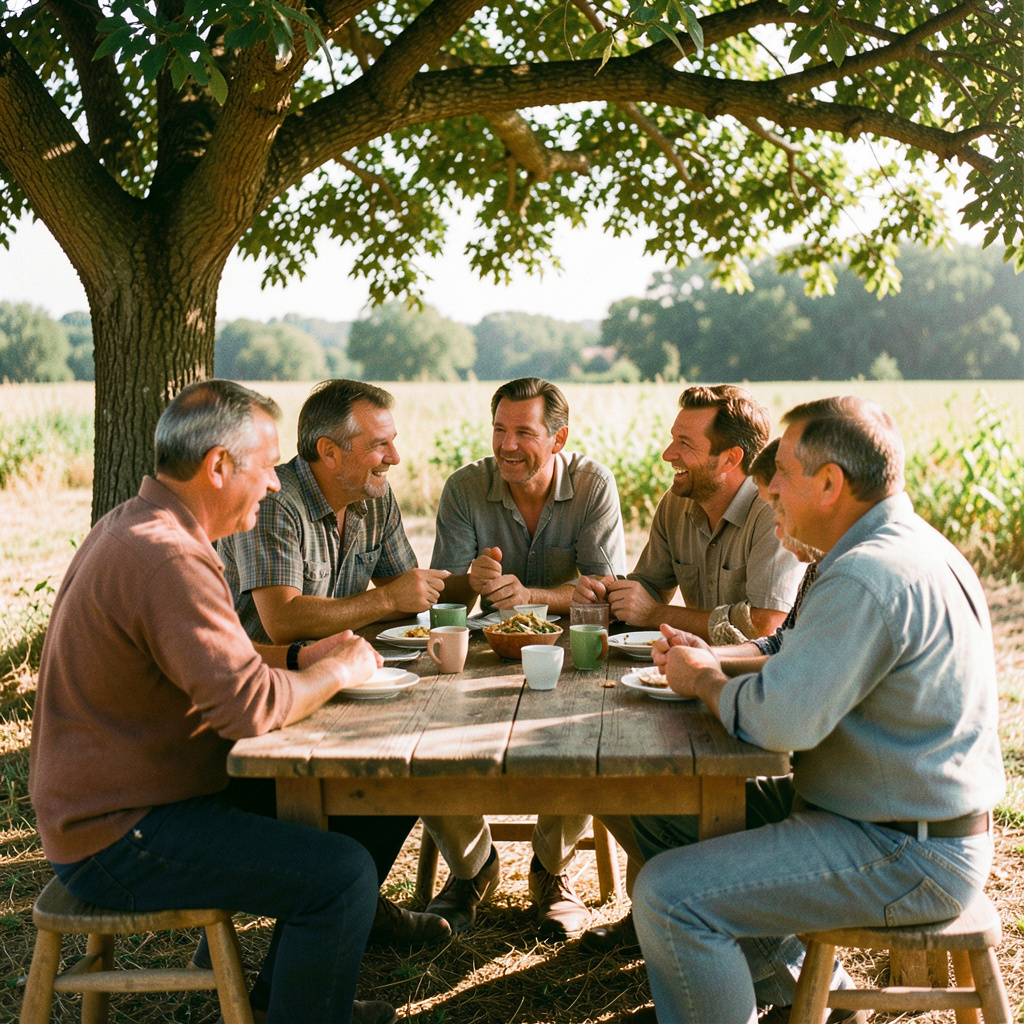
IPAM brings several kinds of people into the same conversation: farmers with long practical knowledge, students building their skills, and researchers documenting what works.
Collaborative work on agroecology is the point, not an add-on. That means a research forum open to shared ideas, a searchable library of resources and case studies, and learning pathways from short sessions to long-term curriculum.
| Section | What It Holds | Go To |
|---|---|---|
| Knowledge | A searchable library of resources, documents and research papers on agroecology. | Home |
| Research | A forum for participatory research, evidence-based documentation and case studies. | Research |
| Learning | Structured courses, learning modules, webinars and videos, on-farm and online. | Learning |
| Community Building | Case studies, successes, alerts, petitions and campaigns from the network. | Community |
| Our Trainers | The trainers, partners and community members behind the initiatives. | Team |
Knowledge grows where farmers, students and researchers work side by side and share what they have seen.